
Fiction and Real Lives
The FriendThis flow traces the Narrator’s uncertainty about transforming real people into stories, from classroom questions to a fictional ending that exposes the cost of representation.
increasing Bearing strength in each event
 decreasing
Bearing strength in each eventdecreasingThe Autobiographical Assumption
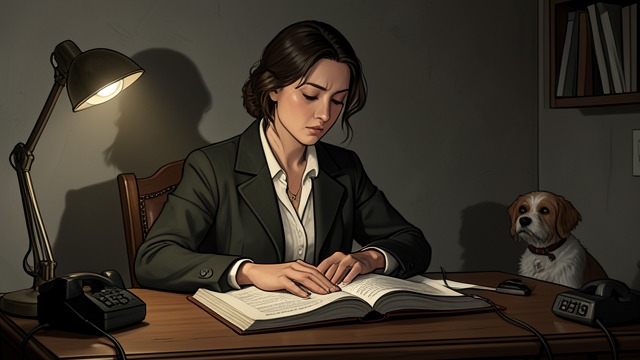
The Autobiographical Assumption
Students read life into fiction
A student assumes the Narrator should know details about his life because he placed them in a story. The Narrator explains that she does not automatically treat fiction as autobiography.
A question of ownership
The exchange reveals conflicting beliefs about what writers use as material. Personal experience may inform a story, but readers and writers cannot assume that every character transparently belongs to a real person.
Writing About the Mother
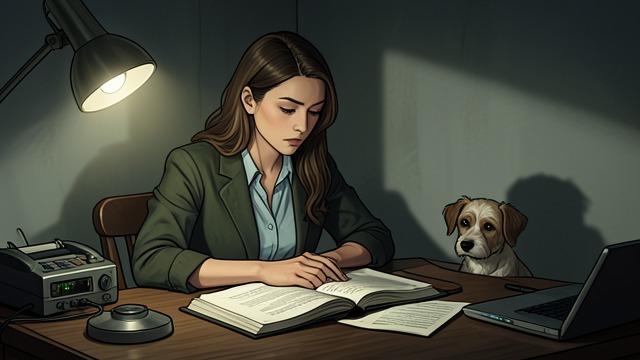
Writing About the Mother
Family becomes material
The Narrator recalls writers who put their mothers into books and incurred lasting resentment. Another literary view treats the use of a person’s life as an infringement on that person’s ownership of it.
No settled permission
The examples make writing about loved ones ethically fraught. Literary transformation may offer insight or catharsis to the writer while injuring the person who recognizes herself in the work.
The Friend Refuses the Project
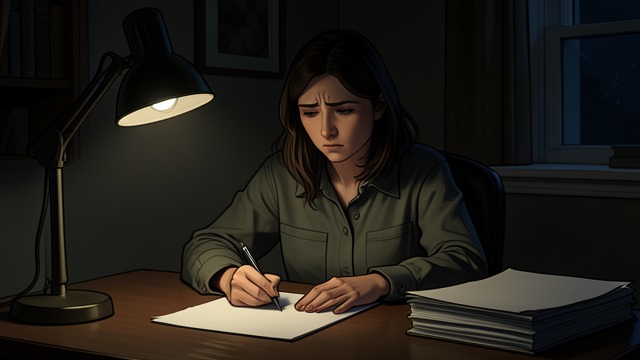
The Friend Refuses the Project
A moral obstruction
The Narrator cannot write about trafficking survivors without feeling she has turned their suffering into a career opportunity. She rejects both documentary description and fictional transformation as inadequate.
The writer’s position exposed
Her choice focuses attention on the author rather than the people whose stories would be represented. Refusal does not eliminate the problem; it reveals how publication can make the writer the primary beneficiary.
An Imagined Suicide Attempt
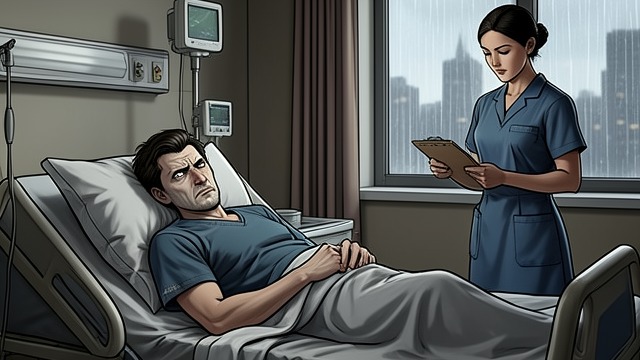
An Imagined Suicide Attempt
A story inside the story
The Narrator imagines visiting a writer after a suicide attempt, with the man describing his hospital stay and tentative return to writing. The scene resembles the book’s actual concerns while changing identities and events.
Exposure and betrayal
The fictionalized man recognizes the material and calls the Narrator’s act a betrayal. His anger gives dramatic form to the possibility that writing about another person’s crisis can feel exploitative even when names and details change.
The Dog’s Place in Fiction
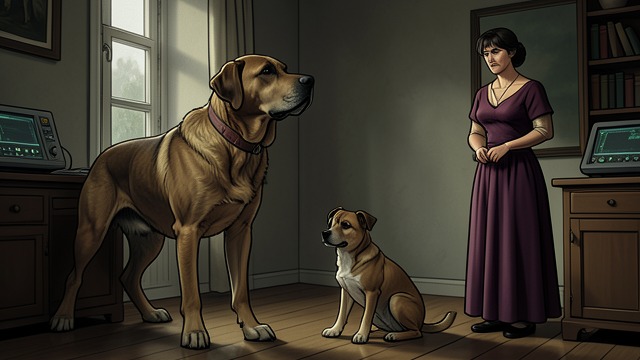
The Dog’s Place in Fiction
Details transformed
In the imagined account, the real dog becomes a Great Dane named Apollo, while the man’s dog changes into a miniature dachshund. The Narrator uses selected facts and inventions to create a literary character.
A final demand
The imagined man asks whether anything bad happens to the dog. The question acknowledges both the reader’s attachment and the ethical pressure to transform life without making suffering an easy plot device.
During the Narrator’s teaching career
During the Narrator’s lecture notes
After the treatment-center workshop
In the final imagined scene
At the end of the imagined scene
